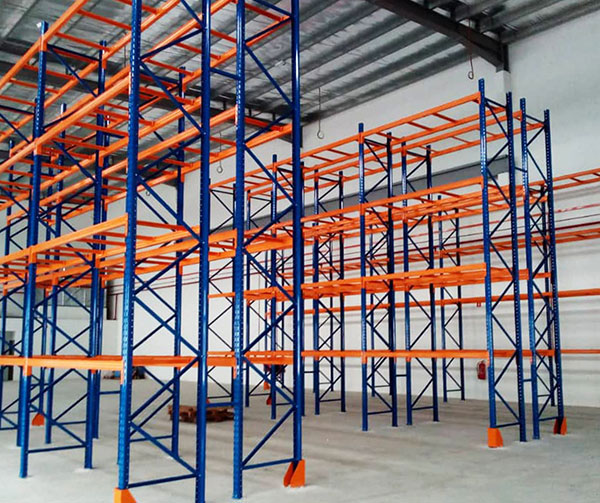
Factors to Consider When Selectinga Warehouse Racking System
As businesses across the Philippines scale, the warehouse drives the momentum of the modern supply chain. In today’s fast-paced market, your facility’s efficiency either fuels your competitive advantage or creates your biggest bottleneck.
Selecting a well-designed racking system transforms a cluttered stockroom into a high-performance operation. The right infrastructure accelerates fulfillment, stabilizes inventory flow, and secures a safer environment for your team. This strategic investment keeps your workflow controlled, scalable, and ready for growth.
Tip 1: Measure Every Usable Square Meter
Before buying a warehouse rack, it is essential to know your space. Begin by precisely measuring your floor area, ceiling height, and aisle widths, as these dimensions dictate which racking variety best suits your facility.
While many owners prioritize vertical maximization, you should never sacrifice the aisle clearance necessary for forklifts and staff to move efficiently. Precise measurements prevent operational bottlenecks and ensure a safe, fluid workflow throughout the warehouse.
Tip 2: Consider Your Warehouse Layout
Never overlook the physical constraints of your facility. Carefully evaluate the room’s shape, the placement of structural columns, and the location of access points like loading docks. These factors dictate the most efficient configuration for your racking system. By aligning your layout with inventory flow and product movement, you prevent bottlenecks, reduce congestion, and significantly accelerate order fulfillment speed.
Tip 3: Balance Your Rack System Expense
Budget always matters, but you must never let a low price tag steer you toward a cheap, short-lived racking solution. When assessing cost-effective systems, strike a deliberate balance between upfront affordability and long-term durability.
Investing in a higher-quality system saves you from frequent repairs, significant safety risks, and premature replacements. Prioritizing structural integrity allows you to protect your bottom line and ensure your facility remains operational for years to come.
Tip 4: Check the Load Capacity
Every racking system—even a heavy-duty one—operates within a strictly defined weight limit per level and per bay. You must verify these capacities and respect these limits to prevent catastrophic failures or dangerous overloads.
If you store heavy or high-density goods, prioritize heavy-duty solutions like selective or drive-in pallet racking. Consistently matching your inventory weight to the rack’s rated capacity ensures structural stability and protects your team.
Tip 5: Be Strict with the Rack’s Durability
Poor-quality racks jeopardize your entire operation, leading to structural collapses, damaged inventory, and serious staff injuries. Selecting a system built for durability prevents these costly disruptions and protects your long-term investment.
Always choose racking manufactured from high-grade, robust materials that strictly comply with international safety standards. Doing so helps eliminate the risk of future accidents and unnecessary replacement expenses.
Tip 6: Ensure the Racks’ Accessibility
Accessibility dictates the speed and accuracy of your entire picking process. If your operations require frequent product movement, choose selective pallet racking to ensure immediate access to every pallet.
Conversely, for bulk storage with lower retrieval rates, implement drive-in racks to maximize density. By matching your racking configuration to your specific picking requirements, you strengthen inventory control and eliminate unnecessary handling time.
Tip 7: Be Open to Rack Versatility
Your warehouse must evolve alongside your business, and your racking should facilitate that growth. When you introduce new product lines, change SKUs, or expand operations, reconfigurable systems—such as mezzanines or adjustable pallet racks—provide the flexibility to adapt without a full overhaul. By selecting versatile infrastructure, you future-proof your facility and ensure your storage remains as dynamic as your market.
Tip 8: Partner with a Proven Rack Supplier
Your supplier determines the success of your racking investment. Select a partner with a proven track record, a comprehensive product range, and robust after-sales support. A reliable provider manages the entire lifecycle of your system, including professional installation, safety inspections, and ongoing maintenance. The best partners go beyond the initial sale, offering extensive warranty packages and expert guidance to ensure your infrastructure remains a long-term asset.
If your business is ready to upgrade or build a system that works as hard as you do, Upright Storage Solutions Philippines Inc. offers a variety of racking systems to find the most suitable rack for your warehouse needs. Contact us today and start building a warehouse that’s ready for anything.